 CASA PAI ROGERIOCarapicuíba/SP
Ewá: meaning, history and traditions in Umbanda and Candomblé
Female Orixá of the pantheon worshipped in Brazil, cited among the most frequently worshipped in Candomblé.
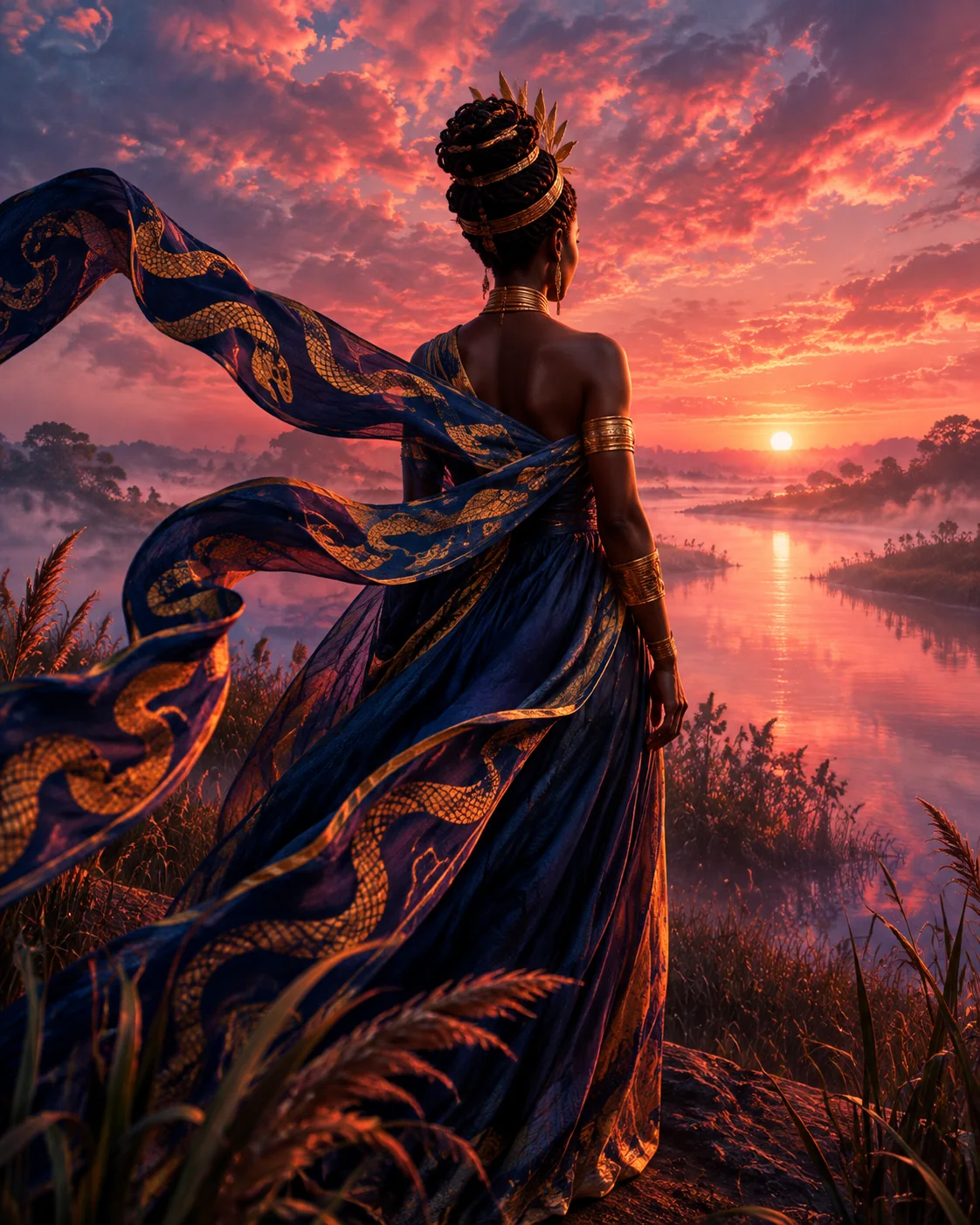
Also calledEuá, Iewá
Domains
Colors (according to sources)No fixed color in the sources consulted
GreetingNo fixed greeting in the sources consulted
SymbolsNo fixed symbol in the sources consulted
SyncretismNo fixed Catholic equivalent in the sources consulted.
What the sources say
Documented historyIn Brazil, Candomblé worships 16 to 20 Orixás, and Ewá is among the most frequently worshipped, alongside Exu, Ogum, Oxóssi, Logun-Edé, Xangô, Oxumarê, Obaluaiê, Ossaim, Oxalá, Oxum, Ibejis, Iemanjá, Nanã, Obá and Iansã.
Teaching of a house or traditionSince the list of Orixás worshipped varies among houses and nations, Ewá's presence in a house depends on its tradition.
Continue exploring
OxumarêThe rainbow serpent, joining heaven and earth and associated with transformations and life cycles.IansãOrixá of winds, storms and lightning, associated with the passage of the dead to Òrun.ObáWarrior Orixá, mistress of turbulent waters and one of Xangô's wives in the narratives.NanãPrimordial Orixá, mistress of muddy waters and of the clay from which humans are said to have been shaped.