 CASA PAI ROGERIOCarapicuíba/SP
Boiadeiros in Umbanda: the sertão and caboclos de couro
Line representing workers of rural Brazil, also called caboclos sertanejos or caboclos de couro.
Who they are
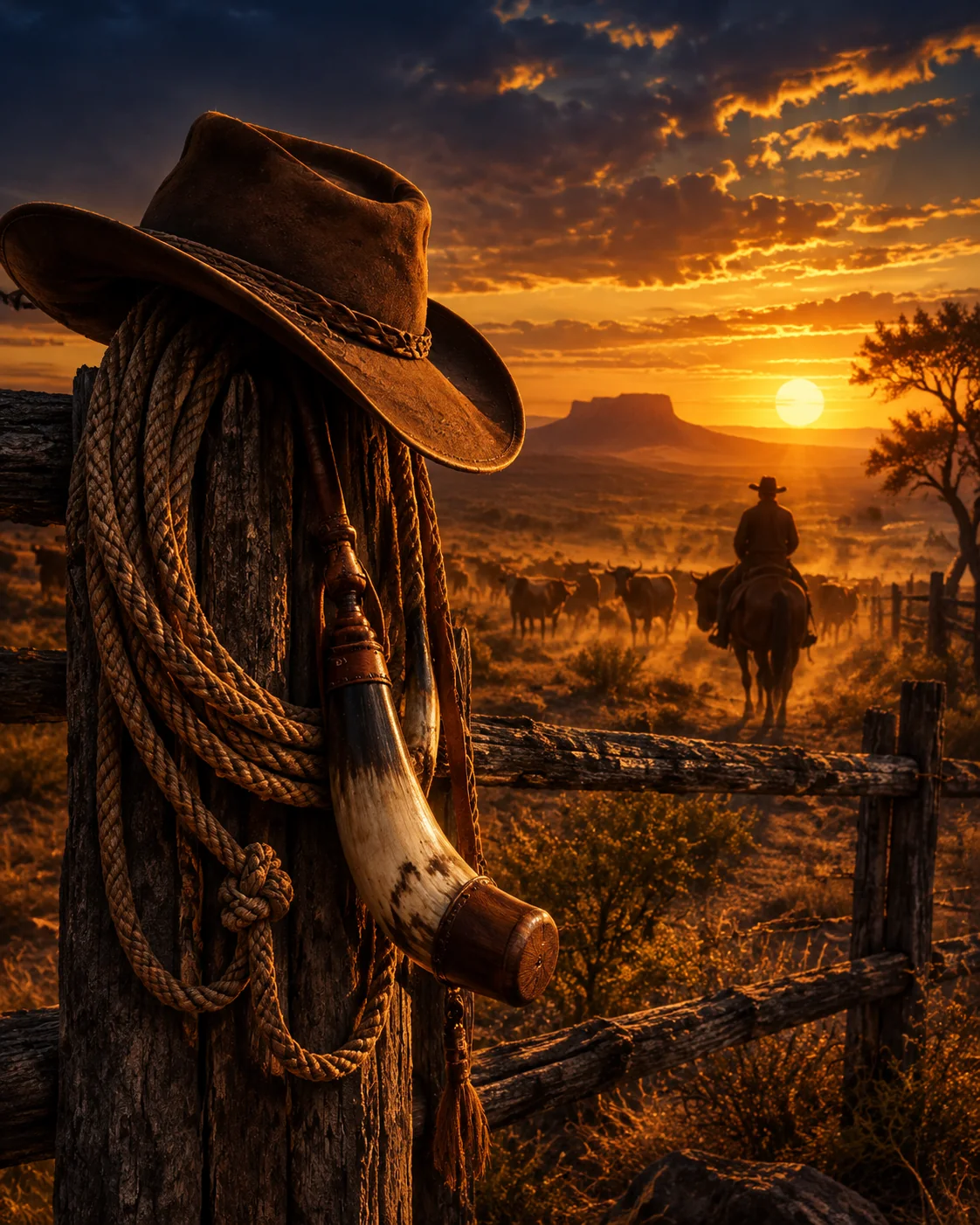
Teaching of a house or traditionAccording to Barros, boiadeiros represent spirits who present themselves as rural workers: cattle herders, ropers, cattle hands, squatters, foremen, cangaceiros and viola players. They are also known as "caboclos sertanejos" or "caboclos de couro".
The road, longing and cattle herds
Teaching of a house or traditionOne tradition connects the line with the memory of cattle herders, ropers, animal trainers, ranch hands and workers who drove cattle. It also includes boiadeiras. In the house's religious narrative, contact with animals, the ground, wind and stars forms a language of freedom and steadfastness.
Teaching of a house or traditionIn this source, long journeys far from home help explain the presence of longing, family and relationships in teachings attributed to the line. Verses and images of the road are described as ways to bring advice closer to everyday life. No verse or ponto is reproduced here.
Teaching of a house or traditionLassos and whips appear in the account as symbols of spiritual work involving guidance. This description is not an instruction to use them on people or animals. The role of guiding and gathering those who are lost belongs to the house's belief, not to an outcome the site can guarantee.
Bibliographic references
- BARROS, Sulivan Charles. As entidades "brasileiras" da Umbanda e as faces inconfessas do Brasil. Anais do XXVII Simpósio Nacional de História (ANPUH), 2013.